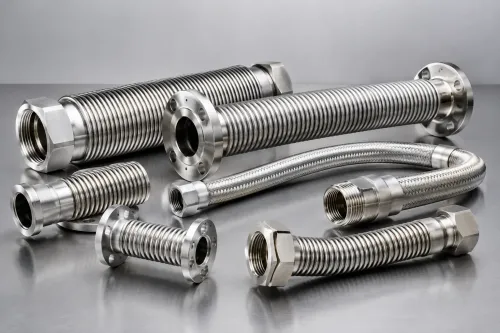

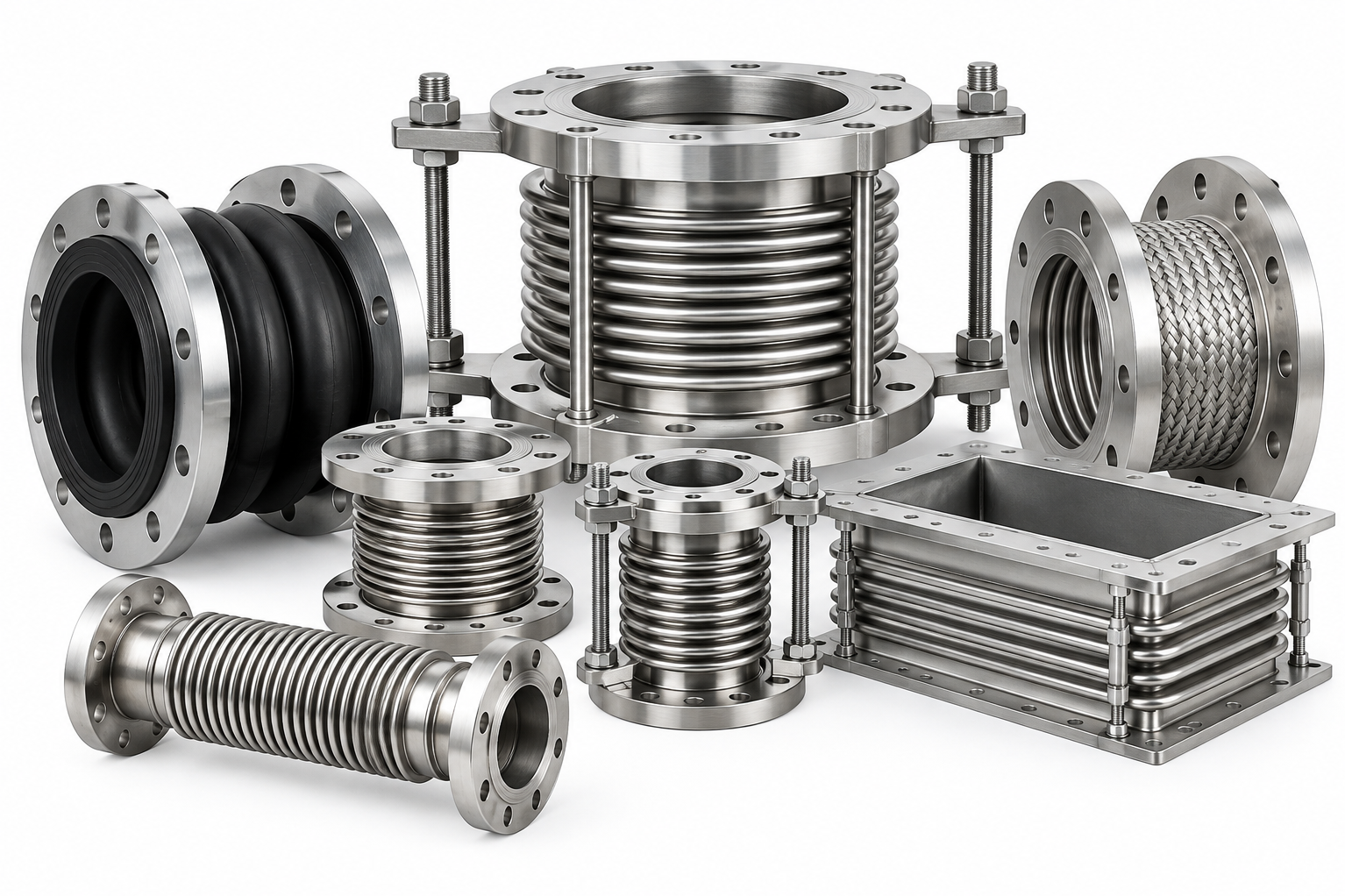
Standard expansion joints cannot address every industrial application. Large ducts, corrosive media, unusual movements, high operating temperatures, restricted installation spaces, and demanding pressure conditions often require a custom-engineered solution.
Selecting a provider for custom engineered expansion joints in Vadodara involves assessing engineering depth, manufacturing capability, testing arrangements, material knowledge, and technical support. Mahantam Engineering & Services operates two modern manufacturing units in the city and delivers solutions from design and manufacturing through testing and installation guidance.
Look for In-House Design Capability
A custom expansion joint must be developed around the piping or ducting system. The provider should be able to review thermal movement, pressure thrust, spring forces, material compatibility, cycle requirements, and surrounding restraints.
Ask whether the engineering team can evaluate:
- Axial, lateral, and angular movement
- Combined movement conditions
- Operating and design pressure
- Temperature range
- Flow medium
- Equipment nozzle loads
- Anchors and guides
- Installation restrictions
- Required cycle life
- Applicable design practices
The manufacturer should request complete technical data instead of recommending a joint from diameter and pressure alone.
Confirm the Design Basis
Metallic bellows design should follow a recognised engineering basis appropriate to the project. Mahantam Engineering & Services develops expansion joints in accordance with EJMA 10th Edition standards, along with applicable customer and project requirements.
The submitted design should clearly identify the bellows material, number of plies, convolution geometry, movement capacity, end connections, structural hardware, and applicable testing.
Review Material Capabilities
Stainless steel is widely used for metallic bellows, but severe applications may require specialist alloys.
A capable manufacturer should understand the use of materials such as:
- Austenitic stainless steels
- Inconel
- Monel
- Hastelloy
- Carbon and mild steel for structural components
- Application-specific fabric and elastomer materials
Material choice must consider both the process medium and external environment. Temperature, chlorides, acids, moisture, dust, and cleaning chemicals can all affect performance.
Assess Manufacturing Capacity
The provider’s equipment and production controls should match the size and complexity of the order. This is particularly important for large-diameter joints, heavy structural hardware, precision flanges, and project-specific assemblies.
Important capabilities include:
- Bellows forming and assembly
- Precision CNC manufacturing
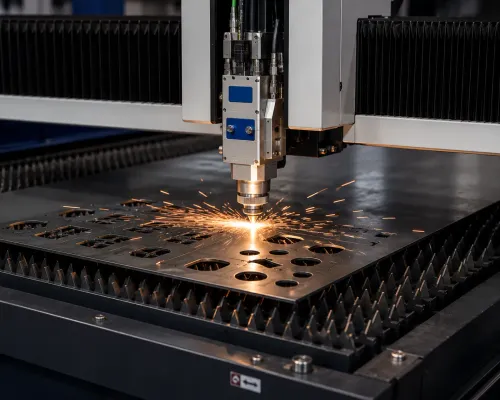
- Fiber laser cutting
- Qualified welding processes
- Large-component handling
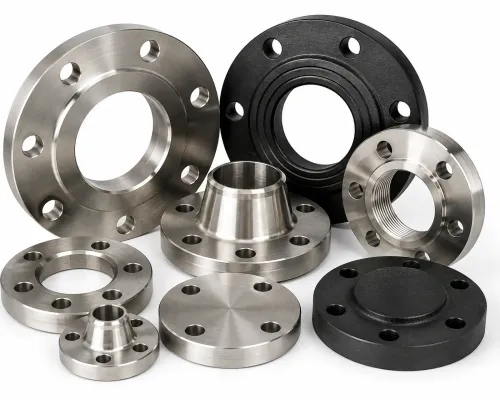
- Custom flange manufacturing
- Dimensional inspection
- Controlled material identification
- Protective packaging
- Production traceability
The company has manufacturing capability for expansion joints up to 6000 mm in diameter, subject to the final design and project conditions.
Evaluate Testing and Quality Assurance
Before appointing a provider, confirm which inspections and tests can be completed in-house. Requirements may include dimensional verification, visual examination, dye-penetrant testing, leak testing, hydrostatic testing, pneumatic testing, material verification, and documentation review.
Not every test is suitable for every product. The approved inspection and test plan should define the method, acceptance criteria, hold points, and documentation required.
ISO 9001:2015 certification demonstrates the presence of a documented quality management system, but buyers should also assess how project-specific controls are implemented on the shop floor.
Check Technical Support Readiness
A dependable provider should support drawing approval, design clarification, manufacturing updates, installation guidance, and documentation handover. For replacement projects, the engineering team may also need to review existing joint dimensions, operating history, damage patterns, and site constraints.
Before requesting a proposal, prepare piping drawings, equipment data, movement calculations, operating conditions, material specifications, testing requirements, and delivery expectations.
For a technical assessment of custom engineered expansion joints in Vadodara, share these project details with Mahantam Engineering & Services. A complete application review will help determine the appropriate joint configuration, material, manufacturing plan, inspection scope, and installation requirements.