
Purchasing laser-cut components is not simply a comparison of rates per kilogram or cutting charges per metre. Material utilisation, dimensional consistency, production speed, finishing requirements, and assembly readiness all influence the actual cost of a fabricated component.
Mahantam Engineering & Services provides CNC fiber laser cutting services in Vadodara for industrial manufacturers, fabricators, equipment builders, and project contractors. Evaluating the complete production outcome helps buyers identify where laser cutting can deliver measurable operational value.
Where Fiber Laser Cutting Creates Value
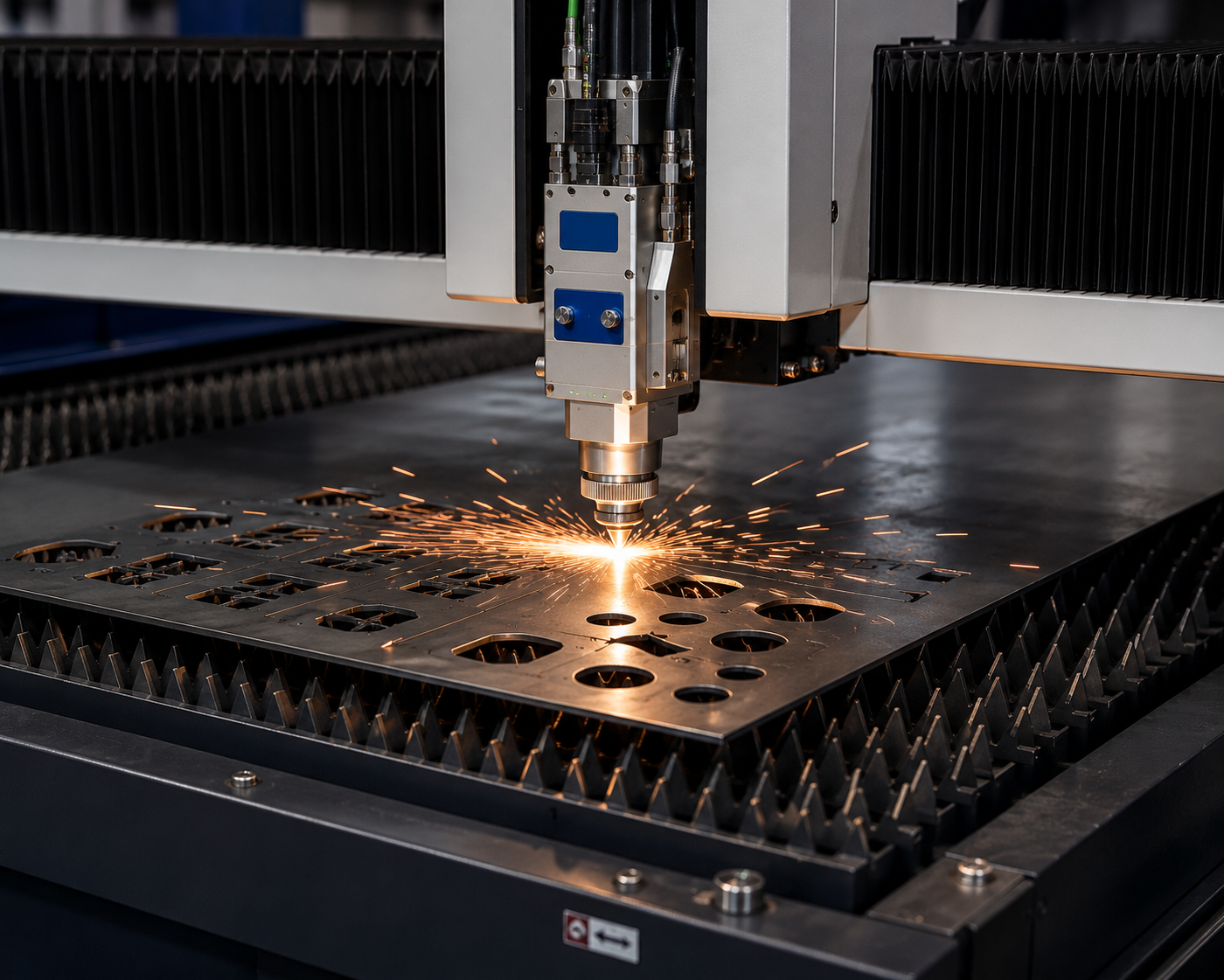
Fiber laser cutting uses a focused laser beam controlled by CNC programming to cut sheet metal into defined profiles. It is suited to components requiring accurate shapes, repeated dimensions, narrow cutting paths, and efficient production.
Common requirements include:
- Equipment panels and covers
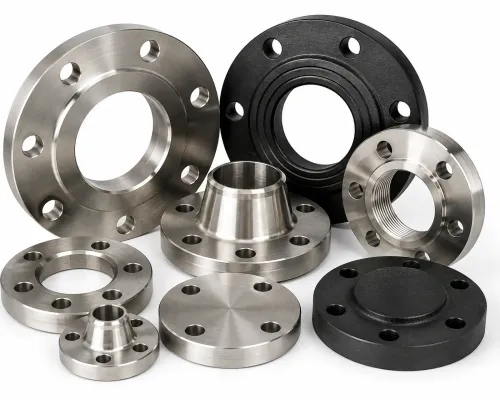
- Flanges and circular profiles
- Brackets and mounting plates
- Electrical enclosure parts
- Machine guards
- Base plates
- Ducting components
- Structural profiles
- Custom fabrication blanks
- Repetitive production components
Its suitability depends on the material, thickness, profile complexity, tolerance, edge requirement, and order quantity.
Material Utilisation Affects the Real Cost
Sheet-metal projects often generate unnecessary scrap when components are arranged inefficiently. CNC nesting places multiple parts on a sheet to improve material utilisation.
Better nesting can provide:
- Reduced raw-material waste
- Lower cost per usable component
- More parts from each sheet
- Improved planning for mixed-component orders
- Easier tracking of material consumption
The percentage saving varies by part geometry and sheet size. Complex profiles may fit together efficiently, while large rectangular components may offer fewer nesting opportunities.
Accuracy Reduces Downstream Work
Dimensional variation at the cutting stage can create problems during bending, welding, machining, and final assembly. Holes may not align, brackets may require reworking, and assemblies may need additional adjustment.
Consistent CNC cutting can reduce:
- Manual marking
- Repeated drilling
- Excessive grinding
- Fitting corrections
- Assembly delays
- Rejected components
- Labour spent on dimensional rework
The drawing should clearly define critical dimensions and realistic tolerances. Applying extremely tight tolerances to every feature can increase inspection and production effort without improving the component’s function.
When Fiber Laser Cutting Is Cost-Effective
Fiber laser cutting is particularly valuable when a project involves complex profiles, repeated parts, multiple holes, quick design changes, or a need for consistent component geometry.
It may provide a strong return for:
- Prototype development
- Low and medium production quantities
- Repeat batch manufacturing
- Components with intricate outlines
- Parts requiring accurate hole positioning
- Projects with expensive sheet materials
- Assemblies affected by cutting variation
For very simple profiles or unusually thick materials, another cutting process may sometimes be more practical. The decision should be based on the complete component requirement.
What Determines the Quoted Price?
Laser-cutting prices are generally influenced by:
- Material type and grade
- Sheet thickness
- Total cutting length
- Number of piercings
- Profile complexity
- Component quantity
- Sheet utilisation
- Drawing quality
- Tolerance requirements
- Additional finishing or fabrication work
- Inspection and documentation needs
- Delivery schedule
Providing clean CAD files helps reduce interpretation time and supports more accurate quotation.
Prepare the Job for Faster Production
Before requesting a quote, buyers should submit the material grade, thickness, quantity, drawing format, dimensional tolerances, surface-finish expectations, and delivery requirement. They should also specify whether the provider will arrange the material or process customer-supplied sheets.
Manufacturers in Vadodara can improve project ROI by considering material yield, repeatability, assembly time, and rework alongside the cutting rate. Send production-ready drawings to Mahantam Engineering & Services for an evaluation of nesting, manufacturability, cutting requirements, and expected project scope.